
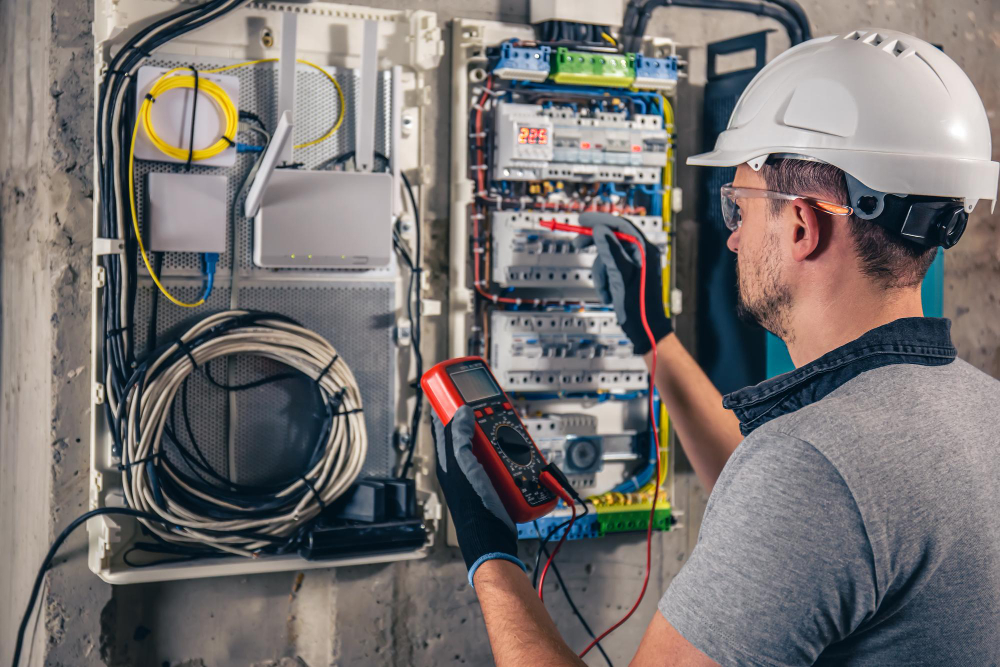
The most common electrical issues in Fort Lauderdale homes are tripping circuit breakers, flickering lights, worn or dead outlets, outdated electrical panels, and corrosion caused by humidity and salt air. Most come from older wiring, overloaded circuits, or moisture, and many need a licensed electrician in Fort Lauderdale to diagnose safely. Below you’ll find the warning signs, likely causes, typical costs, permit rules, and which problems can wait and which can’t.
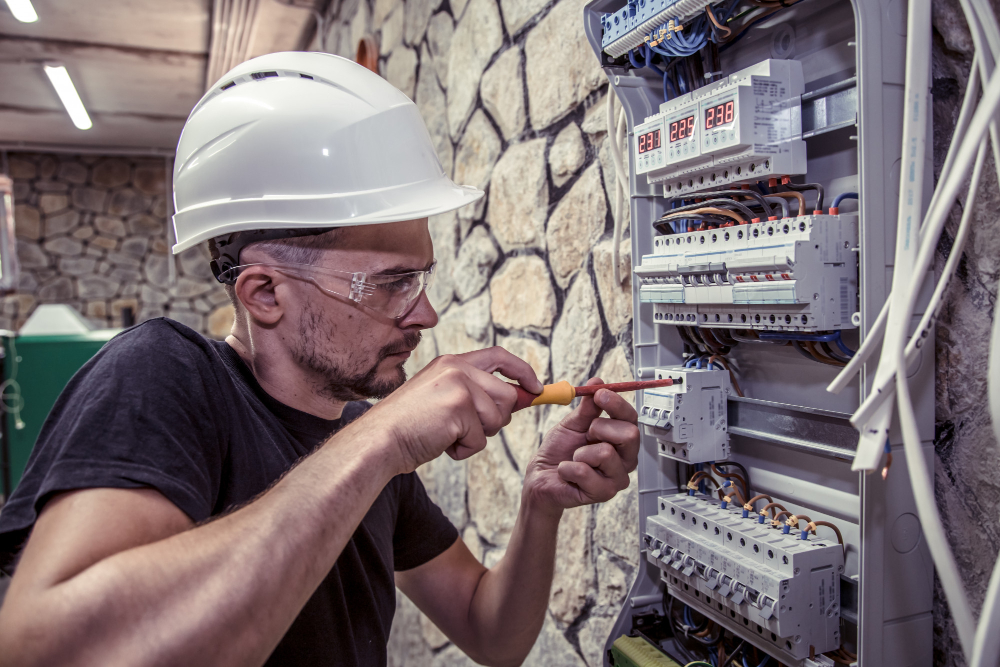
What Are the Top Electrical Problems in Fort Lauderdale Homes?
Homeowners here most often deal with repeated breaker trips, flickering or dimming lights, warm or non-working outlets, outdated panels, power surge damage, and moisture-related corrosion. Older wiring and heavy air conditioning use contribute to many of these. Each one has specific warning signs worth knowing.
Why Does My Circuit Breaker Keep Tripping?
A breaker trips to stop current before wires overheat. The usual causes are an overloaded circuit, a short circuit, a ground fault, or a worn breaker. Resetting once after unplugging devices is fine. If it keeps tripping, the fault is still there, and you should have the circuit inspected.
Why Are My Lights Flickering?
Flickering from one bulb is usually the bulb or fixture. Flickering across several rooms, or dimming when the AC or a dryer starts, can point to a loose connection, an overloaded circuit, or a problem at the panel or service connection. Loose connections generate heat, so patterns deserve attention.
What Causes Outlets to Stop Working, Feel Warm, or Spark?
Dead outlets are often a tripped GFCI or breaker. Warm, discolored, or sparking outlets usually mean loose wiring or a worn receptacle creating heat. Stop using that outlet, turn off its breaker if it’s safe to reach, and have a licensed electrician inspect the full circuit rather than just replacing the device.
Why Do GFCI Outlets Keep Tripping?
GFCIs trip when they detect current leaking to ground, which can happen with moisture in outdoor boxes, a damaged appliance cord, or a worn GFCI. In humid South Florida, moisture is a frequent culprit. A GFCI that trips constantly is doing its job, so find the cause before replacing it.
What Problems Do Older Fort Lauderdale Homes Have?
Many neighborhoods include homes from the 1950s through the 1980s. Common concerns in older homes include:
- Ungrounded two-prong outlets that lack a ground path
- Aluminum branch wiring in some 1960s and 1970s homes, which can loosen at connections and needs specialized repair methods
- Panels with known performance concerns, including Federal Pacific Stab-Lok and Zinsco, where breakers may fail to trip as intended
- Too few circuits for modern loads like EV chargers, home offices, and larger AC systems
Why Are Electrical Problems So Common in South Florida?
Fort Lauderdale’s climate is hard on electrical equipment. Humidity and salt air corrode panels, meter bases, and outdoor outlets. Frequent summer thunderstorms bring lightning and power surges. Air conditioners run for much of the year, putting steady load on circuits. Flooding during major storms can also damage wiring and devices at lower levels.
None of this means problems are inevitable. It does mean that inspecting outdoor equipment, checking GFCI protection, and considering surge protection are more worthwhile here than in many other places.
When Should You Call an Electrician in Fort Lauderdale?
Call a licensed electrician for burning smells, sparking or hot outlets, buzzing panels, breakers that trip repeatedly, shocks from appliances, or flickering across multiple rooms. These point to failing connections or overloaded circuits. If you see smoke or flames, leave the home and call 911 first.
Safety steps while you wait:
- Turn off the affected circuit only if the panel is dry and easy to reach.
- Unplug devices on that circuit and avoid extension cords as a workaround.
- Never touch electrical equipment while standing in water.
- After flooding, don’t restore power until a professional has inspected the system.
What Electrical Services Fort Lauderdale Homeowners Most Often Need?
Typical electrical services Fort Lauderdale homeowners request include troubleshooting and repair, outlet and switch replacement, GFCI and AFCI protection, whole-home surge protection, lighting and ceiling fan installation, EV charger circuits, dedicated circuits for appliances or AC equipment, and generator inlets or interlocks for hurricane season. Current code generally calls for surge protection on new or replaced services.
When Does a Home Need Electrical Panel Replacement in Fort Lauderdale?
A panel likely needs replacing if it’s a known problem brand, shows rust or scorch marks, has no room for needed circuits, or can’t handle added loads. An inspection and load calculation confirm whether it can be repaired or should be replaced.
A typical electrical panel replacement Fort Lauderdale project involves:
- Inspection and load calculation to choose the right service size
- A permit application with the local building authority
- Coordination with Florida Power & Light to disconnect and reconnect service
- Installation with proper grounding, bonding, and circuit labeling
- A building inspection before final approval
What Does the Electrical Repair Process Look Like?
A good repair starts with diagnosis, not parts swapping. A licensed electrician in Fort Lauderdale will typically ask when symptoms occur, test circuits with proper instruments, inspect connections and the panel, and explain the cause before recommending work. You should receive a clear scope and written estimate before anything is changed.
Do Electrical Repairs Require a Permit in Fort Lauderdale?
Panel replacements, new circuits, service upgrades, and most rewiring need permits and inspections. Simple like-for-like swaps of outlets or switches often don’t. Florida law requires licensed contractors for most electrical work, with limited homeowner exceptions. Check requirements with your local building department.
Inspections verify work against the Florida Building Code, which incorporates the National Electrical Code. Unpermitted work can complicate insurance claims and home sales. You can verify any contractor’s license through the Florida Department of Business and Professional Regulation.

How Much Do Common Electrical Repairs Cost?
Small electrical repairs in Fort Lauderdale typically cost about 100-400, while panel replacement commonly runs 2,000-4,500 or more. Pricing depends on access, wire condition, permits, equipment, and code updates. Treat these as general estimates and ask for a written, itemized quote.
- Outlet or switch replacement: about 100-250
- Breaker replacement: about 150-400
- Whole-home surge protection: about 300-900
- Troubleshooting: often a service fee plus hourly labor
How Do You Choose an Electrician in Fort Lauderdale?
Look for an active Florida electrical contractor license, liability and workers’ compensation coverage, written estimates, and a willingness to pull permits. Local experience matters because humidity, salt air, and storm season shape how systems age here. Superior Electric & Air Inc. provides electrical repair and installation work for Fort Lauderdale homeowners. As with any contractor, verify license details with the state and get the scope of work in writing before you approve it.
Frequently Asked Questions
What is the most common electrical problem in homes?
Tripping breakers and faulty outlets are among the most common. Both usually stem from overloaded circuits, loose connections, or worn components. Repeated occurrences should be inspected by a licensed electrician.
How much does it cost to hire an electrician in Fort Lauderdale?
Small repairs often cost 100-400, while panel replacement commonly ranges from $2,000 to $4,500 or more. Scope, permits, and materials set the final price, so request a written estimate.
Is there an electrician near me in Fort Lauderdale for urgent problems?
Many local contractors offer urgent service, but availability varies. Search for an electrician near you, confirm emergency availability by phone, and verify the license. For fire or smoke, call 911 first.
Is it safe to ignore flickering lights?
Occasional single-bulb flicker is usually harmless. Flickering in multiple rooms, or lights dimming when appliances start, can signal loose connections or overloaded circuits and should be checked.
How do I know if my electrical panel is outdated?
Warning signs include Federal Pacific or Zinsco labels, rust, scorch marks, fuses, breakers that won’t reset, or no space for new circuits. Panels in older homes deserve a professional inspection.
Conclusion
Tripping breakers, flickering lights, warm outlets, and aging panels are common here, and Fort Lauderdale’s humidity, salt air, and storms make early attention worthwhile. Hiring a licensed electrician in Fort Lauderdale who diagnoses first, pulls permits, and explains the work keeps your home safer and your repairs on record. If you’re noticing any of these warning signs, contact Superior Electric & Air Inc. to schedule an inspection or repair in Fort Lauderdale.