
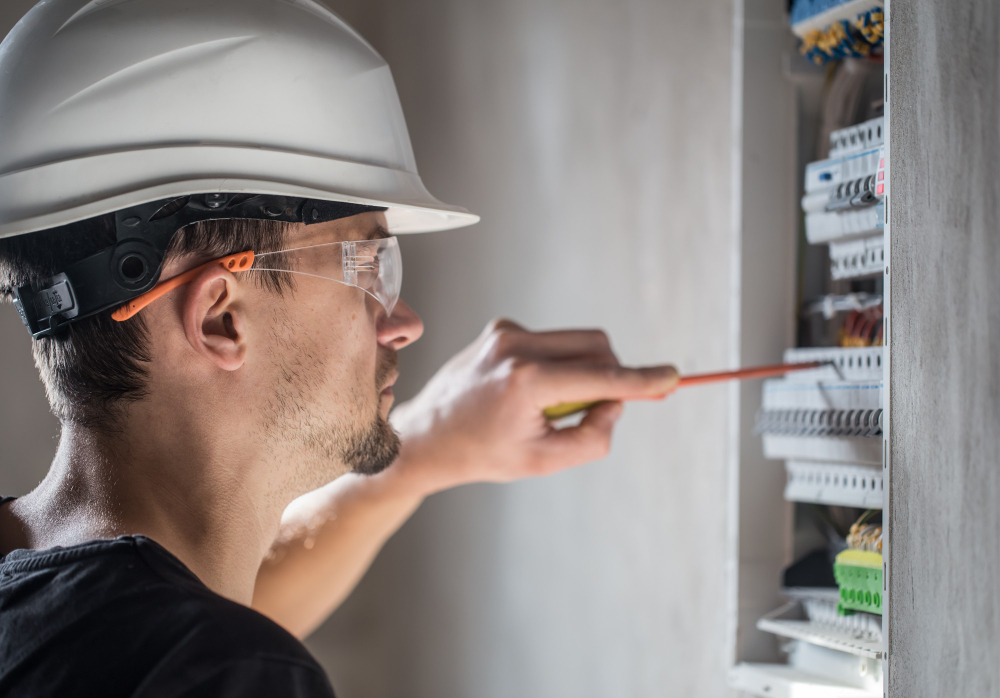
Fort Lauderdale homeowners face unique challenges when it comes to electrical safety. From sudden storms and lightning strikes to fluctuating power from the grid, electrical surges are far more common than many people realize. These surges can damage appliances, fry sensitive electronics, and even create fire hazards. Protecting your home from power spikes isn’t just about convenience—it’s about safety, longevity, and peace of mind.
If you want to keep your home’s electrical system resilient and functioning at peak performance, understanding surge protection is essential. This guide breaks down everything Fort Lauderdale residents need to know, including how Fort Lauderdale electrical troubleshooting plays a role in maintaining a safe and surge-resistant home.
Why Surge Protection Matters in Fort Lauderdale
Fort Lauderdale’s tropical climate brings frequent thunderstorms, heavy rainfall, strong winds, and occasional hurricanes—all of which contribute to electrical instability. Power outages are common during storms, and surges often occur when power is restored.
Additionally, internal household sources can create mini-surges every day. These include:
- AC units cycling on
- Refrigerators and freezers starting
- Washer/dryer systems
- Pool pumps
- Home office equipment
Although smaller, these internal surges add up over time and slowly degrade your electrical system.
A proper surge protection plan prevents costly damage and helps maintain a stable and efficient electrical setup year-round.
What Exactly Is an Electrical Surge?
An electrical surge is a sudden spike in voltage within the electrical system. Your home typically runs on 120 volts, but a surge can push that number much higher—sometimes reaching thousands of volts. Even a brief surge lasting a fraction of a second can damage or destroy electronics.
Common sources of surges include:
- Lightning strikes
- Power grid fluctuations
- Faulty wiring
- Downed power lines
- Tripped breakers
- Malfunctioning appliances
Because these causes can be unpredictable, surge protection acts as a frontline defense.
Types of Surge Protection Every Home Should Have
Protecting your home from surges requires more than just plugging devices into surge strips. True protection involves a layered system.
1. Whole-Home Surge Protectors
Installed directly at the electrical panel, whole-home surge protectors defend your entire home from external surges, including lightning-induced voltage spikes. Though no device can fully stop a direct lightning strike, whole-home protection drastically reduces the impact.
Benefits include:
- Protects large appliances (AC, fridge, washer, dryer)
- Extends lifespan of electrical devices
- Guards against grid-related surges
- Reduces risk of fire from overloaded circuits
An electrician can install these units safely and ensure they meet Fort Lauderdale code requirements.
2. Point-of-Use Surge Protectors
These are the surge protector power strips most homeowners are familiar with. While useful, they should be part of a strategy—not the entire solution.
Point-of-use devices are ideal for:
- Televisions
- Gaming systems
- Desktop computers
- Laptops
- Home office equipment
- Wi-Fi routers
Always choose protectors with a high joule rating for best performance.
3. Surge-Protected Outlets
Some outlets come with built-in surge protection and can be installed in high-use or sensitive areas such as:
- Home offices
- Living rooms with entertainment systems
- Kitchens with multiple appliances
These outlets add an extra layer of defense and can replace outdated or worn outlets that pose additional risks.
4. UPS Battery Backup Systems
A UPS (Uninterruptible Power Supply) protects sensitive electronics by offering both surge protection and temporary battery backup. They are especially helpful for:
- Computers
- Routers
- Smart home systems
- Security cameras
These devices prevent data loss and hardware damage during power interruptions.
How Surge Protection Helps Your Home Long-Term
Investing in proper surge protection offers both immediate and long-lasting benefits.
1. Prevents Appliance Damage
Major appliances can fail prematurely when repeatedly exposed to voltage spikes. Surge protection helps avoid costly replacements.
2. Protects Smart Home Technology
Smart thermostats, lighting systems, and home assistants are sensitive and expensive to replace.
3. Reduces the Risk of Electrical Fires
Surges can overload circuits and lead to overheating or sparking, especially in older homes.
4. Improves Overall Electrical System Health
Avoid instability, inconsistent power, and premature wear on wiring and breakers.
5. Saves Money in the Long Run
Replacing electronics and appliances after surge damage costs far more than installing proper protection.
What Fort Lauderdale Homeowners Should Watch For
Even with surge protection, electrical issues can still arise. Here are signs your home may need deeper electrical inspection or Fort Lauderdale electrical troubleshooting:
- Breakers trip frequently
- Lights dim when large appliances start
- Outlets feel warm or spark
- Burning smells from outlets or panel
- Appliances fail without warning
- Unusual buzzing sounds
These symptoms often indicate hidden electrical weaknesses that make surges even more dangerous.
Why Professional Surge Protection Installation Matters
A DIY surge protector purchase from a store is not enough. Proper surge protection must be installed and configured by a qualified electrician to ensure:
- Correct placement at your panel
- Grounding and bonding compliance
- Code adherence
- Compatibility with your home’s electrical load
- Safe wiring connections
Professional installation ensures that when a surge happens, your home is fully protected.
How Fort Lauderdale Electrical Troubleshooting Helps Prevent Surge Damage
Surge protection and troubleshooting go hand-in-hand. Even the best surge protectors can’t fix an underlying electrical issue—they can only reduce the effects. This is why Fort Lauderdale electrical troubleshooting is essential.
A professional troubleshooting service can identify:
- Faulty wiring that increases surge risks
- Overloaded circuits
- Failing appliances sending internal surges
- Poor grounding (a major cause of surge damage)
- Outdated or unsafe electrical panels
By diagnosing and fixing hidden electrical problems, troubleshooting ensures your surge protection system works as intended.
Tips for Fort Lauderdale Homeowners to Improve Surge Safety
Here are practical steps every homeowner should take:
1. Install a Whole-Home Surge Protector
This should be the foundation of your surge protection plan.
2. Upgrade Old or Unsafe Wiring
Aging wiring makes surge damage more likely and more severe.
3. Replace Damaged Outlets
Cracked or loose outlets are major hazards during power spikes.
4. Use High-Quality Surge Strips
Not all strips are created equal—look for UL-listed products with high joule ratings.
5. Schedule Electrical Inspections Annually
A yearly check ensures everything is functioning safely.
6. Protect Smart Home Components
Anything connected to your network is vulnerable during surges.
7. Check Your Home’s Grounding
Proper grounding ensures excess voltage is safely dispersed.
Final Thoughts
Electrical surges are unpredictable, but protecting your home doesn’t have to be complicated. With Fort Lauderdale’s storm-heavy climate and constant electrical fluctuations, surge protection is one of the smartest investments homeowners can make.
By combining whole-home surge protection, high-quality point-of-use devices, and professional support such as Fort Lauderdale electrical troubleshooting, you can dramatically reduce the risk of damage and ensure your home’s electrical system stays strong, safe, and efficient.
If you want long-lasting protection and true peace of mind, now is the perfect time to enhance your surge protection strategy and schedule a professional electrical evaluation.