
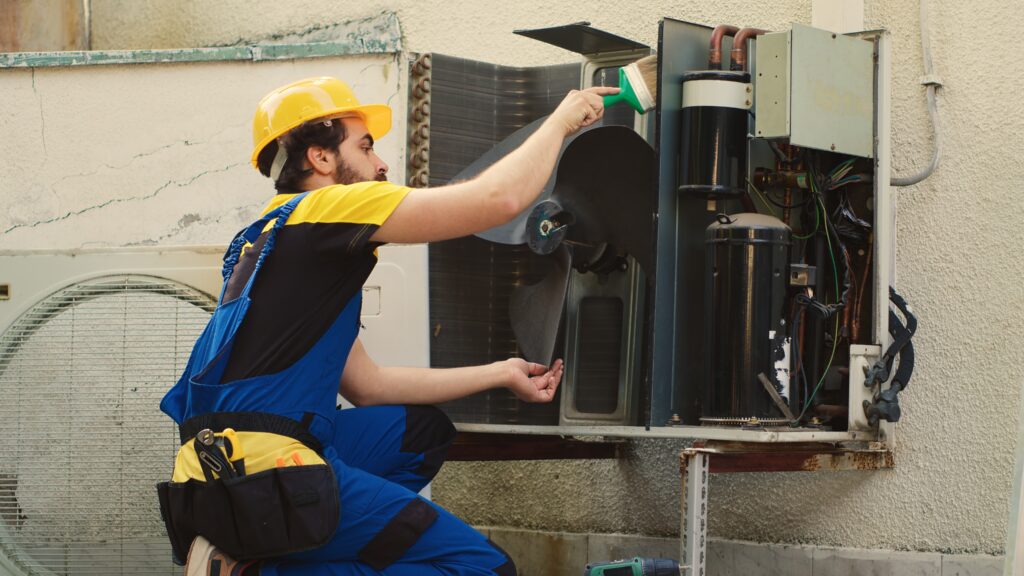
Air conditioning is essential for comfort, productivity, and safety—especially in warm and humid environments like Florida. But while most homeowners focus on filters, refrigerant levels, or mechanical components, few realize that electrical issues are one of the most common causes of AC breakdowns. Even a small wiring problem can reduce cooling performance, drive up energy bills, or cause complete system failure.
Understanding how electrical issues affect your AC system—and knowing when to call a professional—can save you time, money, and frustration. Whether you’re scheduling routine Air Conditioning services or planning AC installations services Florida, being aware of electrical risks helps ensure your system stays reliable and efficient.
Why Electrical Components Are Critical to AC Performance
Your air conditioner relies on a network of electrical parts to function properly. These components control power flow, regulate motor speed, activate cooling cycles, and keep the entire system running safely.
Key electrical components include:
- Thermostat
- Wiring and connections
- Breakers and fuses
- Capacitors and relays
- Compressor contactor
- Fan motors
- Circuit boards
If any of these fail—even temporarily—your AC may stop cooling, short cycle, or shut down completely. That’s why professional Air Conditioning services always include electrical inspections as part of routine maintenance.
2. Common Electrical Issues That Affect Your AC
Electrical problems can develop slowly over time or occur suddenly without warning. Here are the most common issues homeowners experience:
A. Faulty Wiring
Over time, wires can loosen, corrode, or break due to heat, humidity, or age. When wiring is damaged, electricity cannot flow properly to your AC components.
Signs of faulty wiring include:
- Burning smells
- Intermittent cooling
- Tripped breakers
- Warm or discolored outlets
This is a major fire hazard and must be addressed immediately.
B. Tripped Breakers
If your AC frequently trips the breaker, it’s not just an inconvenience—it’s a warning sign. Breakers trip when circuits become overloaded or short-circuited.
Causes may include:
- Dirty filters restricting airflow
- Malfunctioning fan motors
- Faulty compressor
- Damaged wiring
A tripped breaker is your home’s way of preventing electrical fires. Never just reset it repeatedly without investigating the cause.
C. Failing Capacitors
Capacitors store energy and help your AC start and run efficiently. When a capacitor fails, your AC may struggle to power up—or may not turn on at all.
Symptoms of bad capacitors:
- AC hums but won’t start
- Frequent shutdowns
- Weak or warm airflow
Capacitors fail often due to heat exposure or electrical surges, making them one of the most commonly replaced parts during Air Conditioning services.
D. Burnt or Damaged Contactors
The contactor is an electrical switch that turns your AC’s compressor and fan on and off. When it burns out, your AC may run constantly, short cycle, or refuse to turn on.
A damaged contactor can also cause significant system strain and reduce efficiency—which leads to higher energy costs.
E. Overheating Motors
Fan and compressor motors require electrical power to operate. When they overheat, they may shut down or run inefficiently.
Common causes include:
- Poor airflow
- Lack of lubrication
- Old age
- Electrical imbalances
Motor issues should always be addressed quickly to prevent further damage.
3. How Electrical Problems Affect Cooling Performance
Electrical issues don’t just stop your AC from working—they also degrade its performance over time. Here’s how electrical faults impact your overall comfort and energy usage:
1. Reduced Cooling Efficiency
Faulty wiring or weakened capacitors limit your system’s ability to cool effectively. This results in uneven temperatures, longer cooling cycles, and higher energy consumption.
2. Short Cycling
If your AC turns on and off frequently, it’s often electrical-related. Short cycling increases wear on your system and shortens its lifespan significantly.
3. Higher Energy Bills
Electrical resistance, faulty components, and overloaded circuits force your AC to work harder—which increases power usage and utility costs.
4. System Overheating
Electrical issues can cause your AC to run hotter than normal. Overheating leads to damaged components and unexpected breakdowns.
5. Complete System Failure
Ignoring electrical issues for too long may cause major components like compressors or motors to burn out—resulting in expensive repairs or full replacement.
4. When to Call for Professional AC or Electrical Help
While some issues such as a dirty filter can be handled by the homeowner, most electrical-related AC problems require professionals.
You should call for expert Air Conditioning services if you notice:
- Your AC won’t start
- Breakers trip repeatedly
- Lights flicker when the AC turns on
- Burning smells from the vents
- Warm air blowing despite running AC
- Humming or buzzing noises
- Sudden spikes in your power bill
Electrical AC issues are unsafe to diagnose on your own. Always rely on licensed HVAC technicians or electricians for proper inspection and repair.
5. Preventing Electrical Issues Through Routine Maintenance
The best way to avoid electrical problems is to keep your AC system maintained throughout the year. Professional maintenance includes:
- Inspecting wiring and connections
- Testing capacitors and relays
- Checking breaker performance
- Cleaning condenser and evaporator coils
- Ensuring safe voltage levels
- Lubricating motors and fans
- Calibrating the thermostat
Routine maintenance from experts offering Air Conditioning services can catch electrical faults early—before they cause costly damage.
Why Professional Installations Matter
Improper AC installation is one of the leading causes of electrical problems. If your system is not installed correctly, it may:
- Overload your electrical panel
- Trip breakers frequently
- Strain motors and compressors
- Fail prematurely
When choosing AC installations services Florida, always select licensed and experienced installers. They ensure:
- Proper electrical load calculation
- Safe and code-compliant wiring
- Correct breaker and fuse sizing
- Reliable grounding and bonding
- Efficient thermostat setup
A high-quality installation greatly reduces the risk of electrical issues down the road.
Role of Surge Protection in Protecting Your AC
Florida is known for storms and lightning activity. Power surges can damage sensitive AC components such as:
- Circuit boards
- Capacitors
- Thermostats
- Compressors
A whole-home surge protector is one of the best long-term investments you can make to protect your HVAC system—and your entire electrical panel.
Final Thoughts
Electrical issues are one of the main reasons AC systems fail, perform poorly, or require expensive repairs. From faulty wiring and bad capacitors to overloaded circuits and breaker problems, electrical faults can severely impact cooling efficiency and home comfort.
By scheduling regular Air Conditioning services, investing in professional AC installations services Florida, and installing proper surge protection, you can significantly reduce the risk of electrical problems and extend the life of your AC system.
Reliable cooling starts with a strong, safe electrical foundation—so make electrical awareness part of your AC care routine.